Buy schorndorf.eu ?
We are moving the project
schorndorf.eu .
Are you interested in purchasing the domain
schorndorf.eu ?
domain@kv-gmbh.de · 0541-91531010
Buy schorndorf.eu ?
When are forests considered to be sparse forests?
Forests are considered to be sparse when the density of trees and vegetation is low, with significant gaps between individual trees and less overall coverage. This can be due to factors such as poor soil quality, limited water availability, or natural disturbances like wildfires or insect infestations. Sparse forests may also result from human activities such as logging or land clearing. In these areas, the canopy cover is less dense, allowing more light to reach the forest floor and creating a different ecological environment compared to denser forests. **
How do monoculture forests differ from natural mixed forests?
Monoculture forests are composed of a single species of tree, typically planted in rows for commercial purposes such as timber production. These forests lack the diversity of species found in natural mixed forests, which contain a variety of tree species, as well as other plants and wildlife. Natural mixed forests are more resilient to pests, diseases, and climate change, as the diversity of species provides a more stable ecosystem. Monoculture forests are more vulnerable to these threats, as a single pest or disease can devastate the entire forest. **

Similar search terms for Forests
Top-Angebote
Products related to Forests:
-
From the Archives: Black History and Culture Value PackThis brand-new series is rooted in a profound commitment to shedding light on some of the important -- and often lesser-known -- aspects of Black history. From the Archives features landmarks, events, people, and artistic endeavors that have played...27,99 $*Shipping: 0,00 $Secure redirect to the provider
-
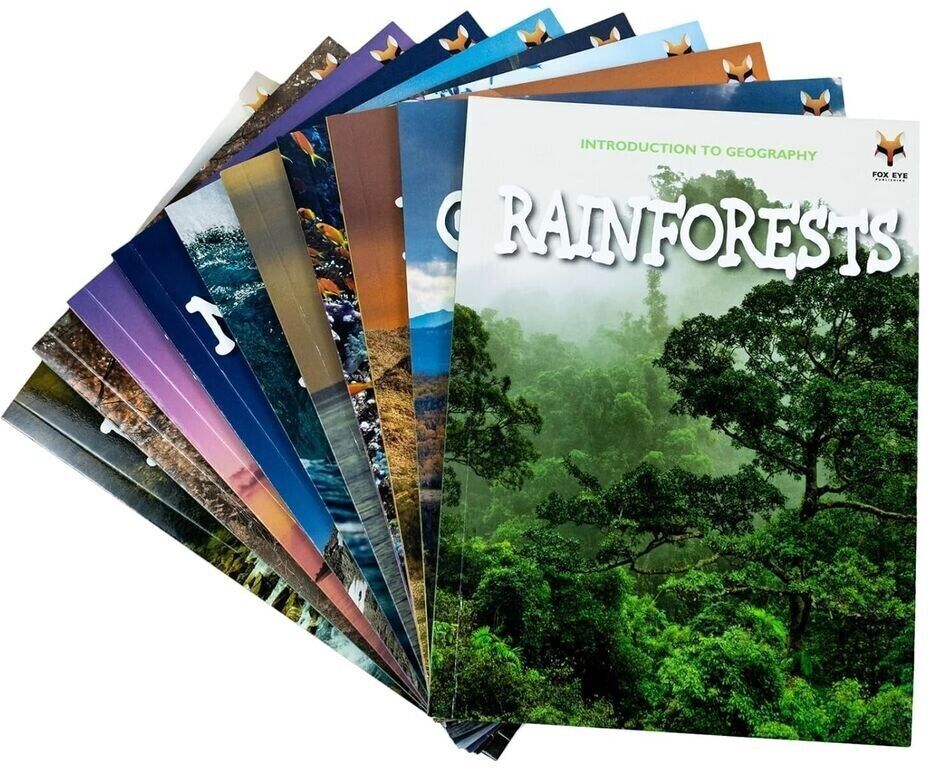
Fox Eye Publishing Introduction to Geography for Beginners by Jasmine Brooke - 10 Book Paperback Collection Set - Ages 7-9 - Coral Reefs, Deserts, Forests & MoreThis 10-book collection set by Jasmine Brooke introduces young explorers to the world's most fascinating landscapes. The set includes titles such as Introduction to Coral Reefs, Introduction to Deserts, and Introduction to Oceans and Seas, each focusing on a single geographical feature. Written in clear, age-appropriate language, the books are designed for children aged 7-9 and build core geography vocabulary. The set is perfect for supporting KS2 topic work and encouraging a sense of adventure about the wider world. The books are published by Fox Eye Publishing and are in brand new condition, printed in paperback format.9,90 £*Shipping: 2,99 £Secure redirect to the provider
-
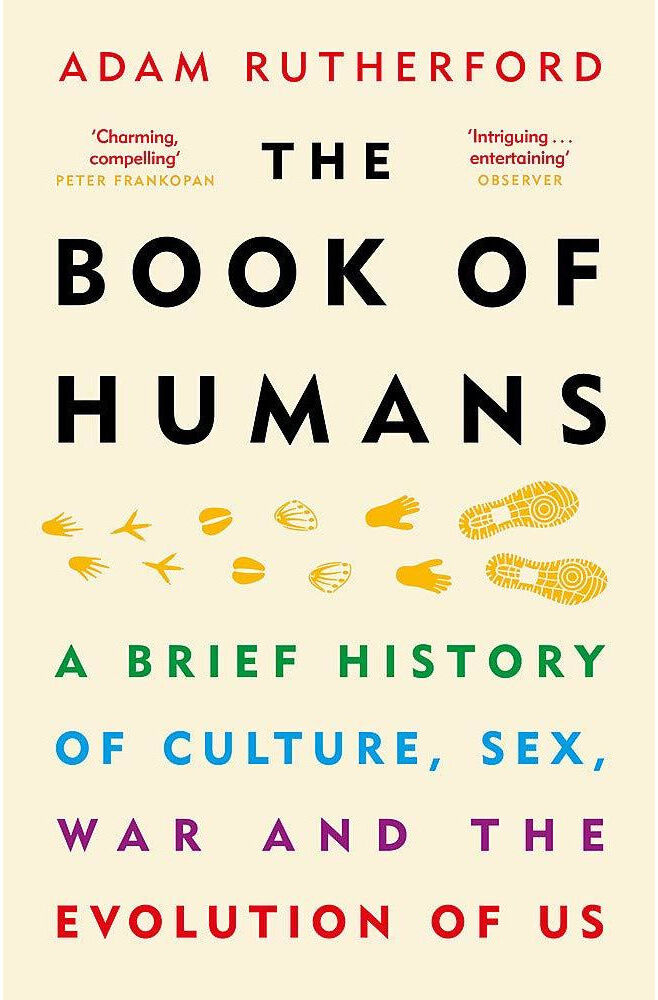
Orion The Book of Humans by Adam Rutherford – A Brief History of Culture, Sex, War & EvolutionWHAT MAKES US HUMAN? Waging war? Sex for pleasure? Creating art? Mastery of fire? In this thrilling tour of the animal kingdom, Adam Rutherford tells the story of how we became the unique creatures we are today. Illuminated by the latest scientific discoveries, THE BOOK OF HUMANS is a dazzling compendium of what unequivocally fixes us as animals, and reveals how we are extraordinary among them.4,98 £*Shipping: 1,99 £Secure redirect to the provider
-
Zygomatic Timeline Refresh 2026 Clutch Box - Card Game for 2-4 Players Ages 10+ History Culture TriviaTest your knowledge of history, culture, and everyday events with Timeline Refresh 2026, a compact card game for family and friends. Each round challenges players to place event cards in the correct chronological position, using the timeline already on the table as their guide. Choose an event card, estimate when it happened, and add it to the timeline. If your placement is correct, the card remains in play; if not, it is removed. The first player to position all their cards correctly wins. The game's accessible rules and varied subject matter make it an engaging way to challenge your memory and learn interesting facts while playing. The clutch box format is designed for convenient storage and portability.9,53 £*Shipping: 3,95 £Secure redirect to the provider


-
Who destroyed the timber market and cut down the forests?
The timber market was destroyed and the forests were cut down by a group of illegal loggers and poachers. These individuals often operate outside of the law and exploit natural resources for profit without consideration for the environmental impact. Their actions have devastating consequences on the ecosystem and biodiversity of the forests. Efforts are being made to combat illegal logging and protect these valuable natural resources. **
-
Will our forests survive?
The survival of our forests depends on the actions we take to protect and preserve them. Deforestation, climate change, and unsustainable logging practices are major threats to our forests. By implementing sustainable forest management practices, protecting biodiversity, and combating climate change, we can help ensure the survival of our forests for future generations. It is crucial that we prioritize conservation efforts and work together to protect these vital ecosystems. **
-
How does the pH value differ in coniferous forests and deciduous forests?
The pH value in coniferous forests tends to be more acidic, typically ranging from 4.5 to 6.0, due to the accumulation of acidic needles and organic matter from the trees. In contrast, the pH value in deciduous forests is generally more neutral, ranging from 6.0 to 7.5, as the fallen leaves and organic matter from deciduous trees tend to have a less acidic impact on the soil. This difference in pH levels can affect the types of plants and organisms that thrive in each type of forest ecosystem. **
-
What are forests in biology?
Forests are large areas of land dominated by trees and other woody vegetation. In biology, forests are important ecosystems that support a wide variety of plant and animal species. They play a crucial role in regulating the Earth's climate, as they absorb carbon dioxide and release oxygen through the process of photosynthesis. Forests also provide numerous ecosystem services, such as water purification, soil stabilization, and habitat for wildlife. **


Who is afraid of forests?
Many people have a fear of forests, known as sylvaphobia. This fear can stem from a variety of reasons, including the fear of getting lost, encountering wild animals, or the feeling of being surrounded by dense, unfamiliar vegetation. Additionally, some people may have a fear of the unknown or a general sense of unease in natural, isolated environments. Overall, the fear of forests can be attributed to a combination of personal experiences, cultural influences, and individual perceptions of the natural world. **
What's new in the forests?
In the forests, there are always new developments and changes happening. Some of the recent updates include the growth of new vegetation as the seasons change, the arrival of migratory birds and animals, and the ongoing cycle of decay and regeneration. Additionally, there may be changes in the forest ecosystem due to natural disturbances such as wildfires or human activities. Overall, the forests are dynamic environments with constantly evolving conditions and new occurrences. **
Top-Angebote
Products related to Forests:
-
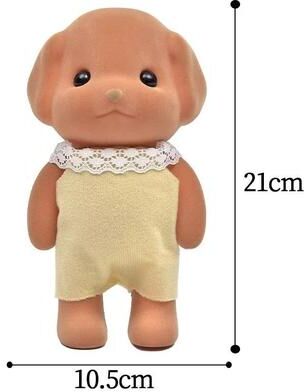
Uplifted Finds Forests Familys Animal Figure With Movable Limbs And Phone Stand Holder dogAdd a touch of whimsical charm to your workspace with this adorable Forests Familys animal figure. Standing at 21cm, this multifunctional ornament is designed with movable limbs, allowing you to pose your favorite character in various cute...79,97 $*Shipping: 0,00 $Secure redirect to the provider
-
Heroscape Forests of Valhalla Terrain Expansion - Official Heroscape Terrain for Ages 10+ by Renegade Game StudioExpand your Heroscape battlefield with the Forests of Valhalla Terrain Expansion. Adds detailed evergreen trees for dense woodland environments. Designed for use with Heroscape tabletop battles. Combine with existing terrain and figures to build new tactical scenarios.31,99 £*Shipping: 3,95 £Secure redirect to the provider
-
From the Archives: Black History and Culture Value PackThis brand-new series is rooted in a profound commitment to shedding light on some of the important -- and often lesser-known -- aspects of Black history. From the Archives features landmarks, events, people, and artistic endeavors that have played...27,99 $*Shipping: 0,00 $Secure redirect to the provider
-
Fox Eye Publishing Introduction to Geography for Beginners by Jasmine Brooke - 10 Book Paperback Collection Set - Ages 7-9 - Coral Reefs, Deserts, Forests & MoreThis 10-book collection set by Jasmine Brooke introduces young explorers to the world's most fascinating landscapes. The set includes titles such as Introduction to Coral Reefs, Introduction to Deserts, and Introduction to Oceans and Seas, each focusing on a single geographical feature. Written in clear, age-appropriate language, the books are designed for children aged 7-9 and build core geography vocabulary. The set is perfect for supporting KS2 topic work and encouraging a sense of adventure about the wider world. The books are published by Fox Eye Publishing and are in brand new condition, printed in paperback format.9,90 £*Shipping: 2,99 £Secure redirect to the provider
-
When are forests considered to be sparse forests?
Forests are considered to be sparse when the density of trees and vegetation is low, with significant gaps between individual trees and less overall coverage. This can be due to factors such as poor soil quality, limited water availability, or natural disturbances like wildfires or insect infestations. Sparse forests may also result from human activities such as logging or land clearing. In these areas, the canopy cover is less dense, allowing more light to reach the forest floor and creating a different ecological environment compared to denser forests. **
-
How do monoculture forests differ from natural mixed forests?
Monoculture forests are composed of a single species of tree, typically planted in rows for commercial purposes such as timber production. These forests lack the diversity of species found in natural mixed forests, which contain a variety of tree species, as well as other plants and wildlife. Natural mixed forests are more resilient to pests, diseases, and climate change, as the diversity of species provides a more stable ecosystem. Monoculture forests are more vulnerable to these threats, as a single pest or disease can devastate the entire forest. **
-
Who destroyed the timber market and cut down the forests?
The timber market was destroyed and the forests were cut down by a group of illegal loggers and poachers. These individuals often operate outside of the law and exploit natural resources for profit without consideration for the environmental impact. Their actions have devastating consequences on the ecosystem and biodiversity of the forests. Efforts are being made to combat illegal logging and protect these valuable natural resources. **
-
Will our forests survive?
The survival of our forests depends on the actions we take to protect and preserve them. Deforestation, climate change, and unsustainable logging practices are major threats to our forests. By implementing sustainable forest management practices, protecting biodiversity, and combating climate change, we can help ensure the survival of our forests for future generations. It is crucial that we prioritize conservation efforts and work together to protect these vital ecosystems. **
Similar search terms for Forests
-
Orion The Book of Humans by Adam Rutherford – A Brief History of Culture, Sex, War & EvolutionWHAT MAKES US HUMAN? Waging war? Sex for pleasure? Creating art? Mastery of fire? In this thrilling tour of the animal kingdom, Adam Rutherford tells the story of how we became the unique creatures we are today. Illuminated by the latest scientific discoveries, THE BOOK OF HUMANS is a dazzling compendium of what unequivocally fixes us as animals, and reveals how we are extraordinary among them.4,98 £*Shipping: 1,99 £Secure redirect to the provider
-
Zygomatic Timeline Refresh 2026 Clutch Box - Card Game for 2-4 Players Ages 10+ History Culture TriviaTest your knowledge of history, culture, and everyday events with Timeline Refresh 2026, a compact card game for family and friends. Each round challenges players to place event cards in the correct chronological position, using the timeline already on the table as their guide. Choose an event card, estimate when it happened, and add it to the timeline. If your placement is correct, the card remains in play; if not, it is removed. The first player to position all their cards correctly wins. The game's accessible rules and varied subject matter make it an engaging way to challenge your memory and learn interesting facts while playing. The clutch box format is designed for convenient storage and portability.9,53 £*Shipping: 3,95 £Secure redirect to the provider
-
Perfect Picks Market Beach Sand Castle Bucket Set For Kids Fun Outdoor Sandbox Toys green CastleBring imagination to life under the sun with this delightful kids sand toys set designed for endless beachside fun. Whether its a family day at the shore or backyard playtime, this vibrant beach sand set turns ordinary sand into magical castles and...34,97 $*Shipping: 0,00 $Secure redirect to the provider
-
Uplifted Finds Forests Familys Animal Figure With Movable Limbs And Phone Stand Holder catAdd a touch of whimsical charm to your workspace with this adorable Forests Familys animal figure. Standing at 21cm, this multifunctional ornament is designed with movable limbs, allowing you to pose your favorite character in various cute...79,97 $*Shipping: 0,00 $Secure redirect to the provider
-
How does the pH value differ in coniferous forests and deciduous forests?
The pH value in coniferous forests tends to be more acidic, typically ranging from 4.5 to 6.0, due to the accumulation of acidic needles and organic matter from the trees. In contrast, the pH value in deciduous forests is generally more neutral, ranging from 6.0 to 7.5, as the fallen leaves and organic matter from deciduous trees tend to have a less acidic impact on the soil. This difference in pH levels can affect the types of plants and organisms that thrive in each type of forest ecosystem. **
-
What are forests in biology?
Forests are large areas of land dominated by trees and other woody vegetation. In biology, forests are important ecosystems that support a wide variety of plant and animal species. They play a crucial role in regulating the Earth's climate, as they absorb carbon dioxide and release oxygen through the process of photosynthesis. Forests also provide numerous ecosystem services, such as water purification, soil stabilization, and habitat for wildlife. **
-
Who is afraid of forests?
Many people have a fear of forests, known as sylvaphobia. This fear can stem from a variety of reasons, including the fear of getting lost, encountering wild animals, or the feeling of being surrounded by dense, unfamiliar vegetation. Additionally, some people may have a fear of the unknown or a general sense of unease in natural, isolated environments. Overall, the fear of forests can be attributed to a combination of personal experiences, cultural influences, and individual perceptions of the natural world. **
-
What's new in the forests?
In the forests, there are always new developments and changes happening. Some of the recent updates include the growth of new vegetation as the seasons change, the arrival of migratory birds and animals, and the ongoing cycle of decay and regeneration. Additionally, there may be changes in the forest ecosystem due to natural disturbances such as wildfires or human activities. Overall, the forests are dynamic environments with constantly evolving conditions and new occurrences. **
* All prices are inclusive of VAT and, if applicable, plus shipping costs. The offer information is based on the details provided by the respective shop and is updated through automated processes. Real-time updates do not occur, so deviations can occur in individual cases. ** Note: Parts of this content were created by AI.