Buy schorndorf.eu ?
We are moving the project
schorndorf.eu .
Are you interested in purchasing the domain
schorndorf.eu ?
domain@kv-gmbh.de · 0541-91531010
Buy schorndorf.eu ?
What is the difference between low culture and high culture in history?
Low culture refers to the cultural activities and products that are considered to be more common, popular, and easily accessible to the general public. This can include things like popular music, television shows, and mass-produced literature. On the other hand, high culture refers to the cultural activities and products that are considered to be more refined, sophisticated, and often associated with the elite or educated classes. This can include things like classical music, fine art, and literature that is considered to be more intellectually challenging. The distinction between low and high culture has been a source of debate and has evolved over time, but it generally reflects the social and class divisions within a society. **
What is the difference between historical culture and memory culture?
Historical culture refers to the collective understanding and interpretation of historical events, traditions, and customs within a society. It encompasses the tangible and intangible aspects of a society's past, including artifacts, monuments, and rituals. Memory culture, on the other hand, focuses on the ways in which a society actively engages with and remembers its history. It involves the processes of commemoration, memorialization, and the transmission of historical knowledge through storytelling, education, and public discourse. While historical culture is the broader framework of a society's historical identity, memory culture is the active, dynamic practice of remembering and interpreting that history. **


Similar search terms for Difference
Top-Angebote
Products related to Difference:
-
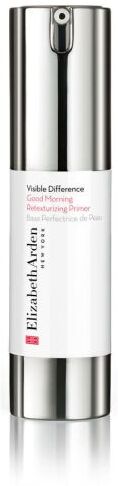
Elisabeth Arden Visible Difference Good Morning Retexturizing PrimerHealth and Beauty Face and Cheeks Elizabeth Arden Visible Difference Good Morning Retexturizing Primer Our retexturizing primer helps you show off your best face with a proven blend of boosting botanicals and vitamin A. Wake up your skin without weighing it down. Skin feels soft, smooth and fresh all day. and you will love the softness and naturalness of your makeup. How to use: Apply to clean face.14,73 £*Shipping: 3,99 £Secure redirect to the provider
-
Axis Spot The Difference Facial Blemish Treatment 15mLA skin-care product for oily or blemish-prone skin. Spot The Difference Blemish Treatment is expertly formulated for acne-prone, oily, and sensitive skin, providing effective relief from breakouts and blemishes. This light gel texture glides onto the skin, delivering hydration while restoring the skin barrier.14,79 £*Shipping: 4,07 £Secure redirect to the provider
-
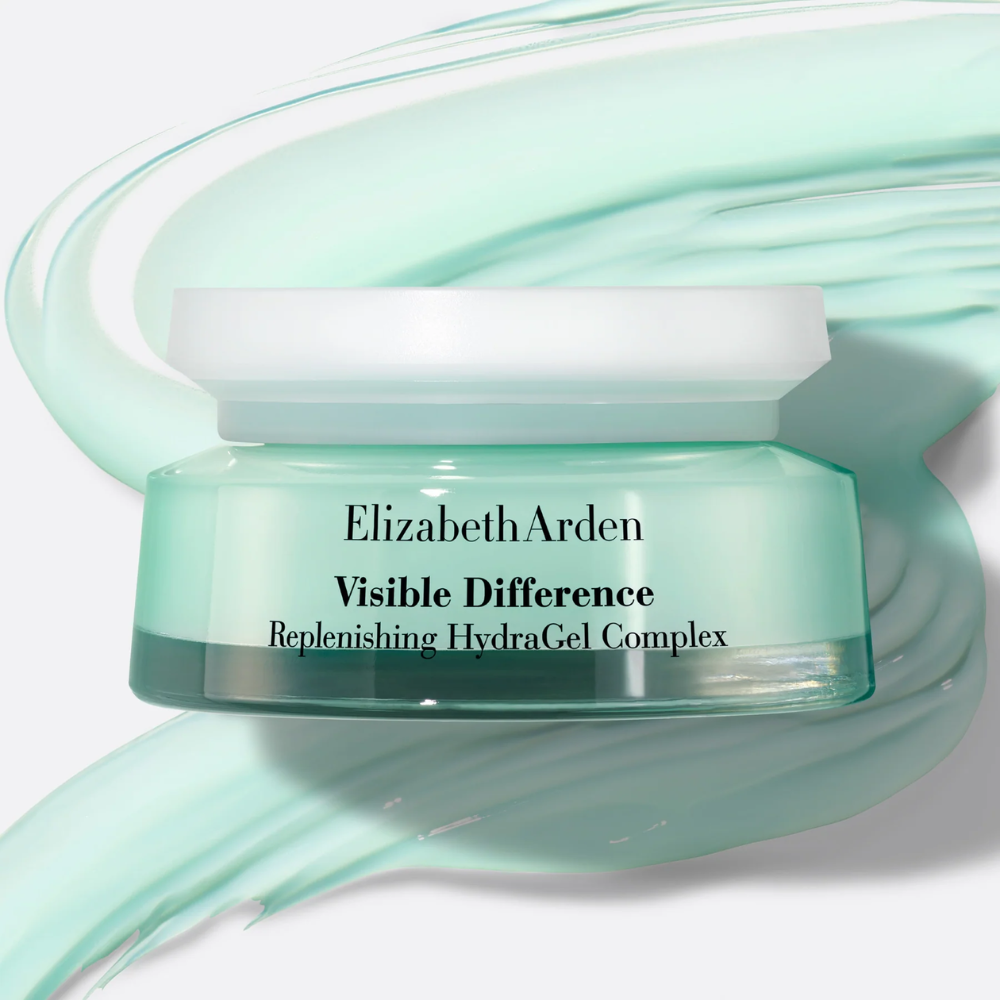
Elisabeth Arden Visible Difference Facial Replenishing Hydragel Complex 75mLA skin-care product. It a refreshing, oil-free water gel that provides 24-hour hydration while minimizing the appearance of pores. 24-hour hydration for all skin types. Minimizes the appearance of pores. Leaves skin feeling smooth and refreshed. Sodium Hyaluronate: Provides intense hydration. Mushroom Extract: Tightens pores and refines skin texture.27,51 £*Shipping: 5,16 £Secure redirect to the provider


-
What is the difference between red wine and white wine?
The main difference between red wine and white wine is the type of grape used to make them. Red wine is made from dark-colored grapes, where the grape skins are left in contact with the juice during fermentation, giving the wine its red color. White wine, on the other hand, is made from green or yellow grapes, and the grape skins are removed before fermentation, resulting in a lighter color. Additionally, red wines tend to be bolder and more complex in flavor, while white wines are often lighter and more refreshing. **
-
What is the difference between market exploration, market analysis, and market observation?
Market exploration involves actively seeking out new opportunities and potential markets, often through research and networking. Market analysis involves a more in-depth examination of specific market conditions, including trends, competition, and customer behavior. Market observation, on the other hand, involves simply watching and taking note of market activities and changes without actively seeking out new opportunities or conducting in-depth analysis. Overall, market exploration is about actively seeking new opportunities, market analysis is about understanding specific market conditions, and market observation is about passively watching market activities. **
-
What is the difference between market research and market exploration?
Market research involves collecting and analyzing data about a specific market, including customer preferences, buying habits, and competitor analysis. It is a more structured and focused approach to gathering information to make informed business decisions. On the other hand, market exploration is a broader and more open-ended process of discovering new opportunities, trends, and potential markets. It involves more creativity and innovation in identifying new possibilities for business growth. In summary, market research is about gathering specific data to answer defined questions, while market exploration is about exploring new ideas and opportunities in a less structured manner. **
-
What is the difference between factor market and goods market?
Factor market refers to the market where factors of production such as labor, capital, land, and entrepreneurship are bought and sold. On the other hand, the goods market is where finished goods and services are bought and sold. Factor market deals with the exchange of inputs used in the production process, while the goods market deals with the exchange of final products for consumption. In essence, factor market facilitates production, while the goods market facilitates consumption. **

What is the difference between market analysis and market research?
Market analysis involves examining market trends, customer behavior, and competitor activity to understand the overall market landscape and make strategic decisions. Market research, on the other hand, is a more focused approach that involves gathering specific data and insights on customer preferences, buying habits, and product demand. While market analysis provides a broader view of the market, market research delves deeper into specific aspects to inform tactical decisions. Both are essential for businesses to stay competitive and meet customer needs effectively. **
What is the difference between history and contemporary history?
History refers to the study of past events, people, and societies, typically focusing on events that occurred before the present time. It involves the analysis and interpretation of primary sources and the understanding of how past events have shaped the world we live in today. On the other hand, contemporary history focuses on the study of recent events, typically from the 20th century to the present day. It involves the analysis of current events and their impact on society, politics, and culture. While history looks at events that have already occurred, contemporary history examines ongoing and recent developments. **
Top-Angebote
Products related to Difference:
-
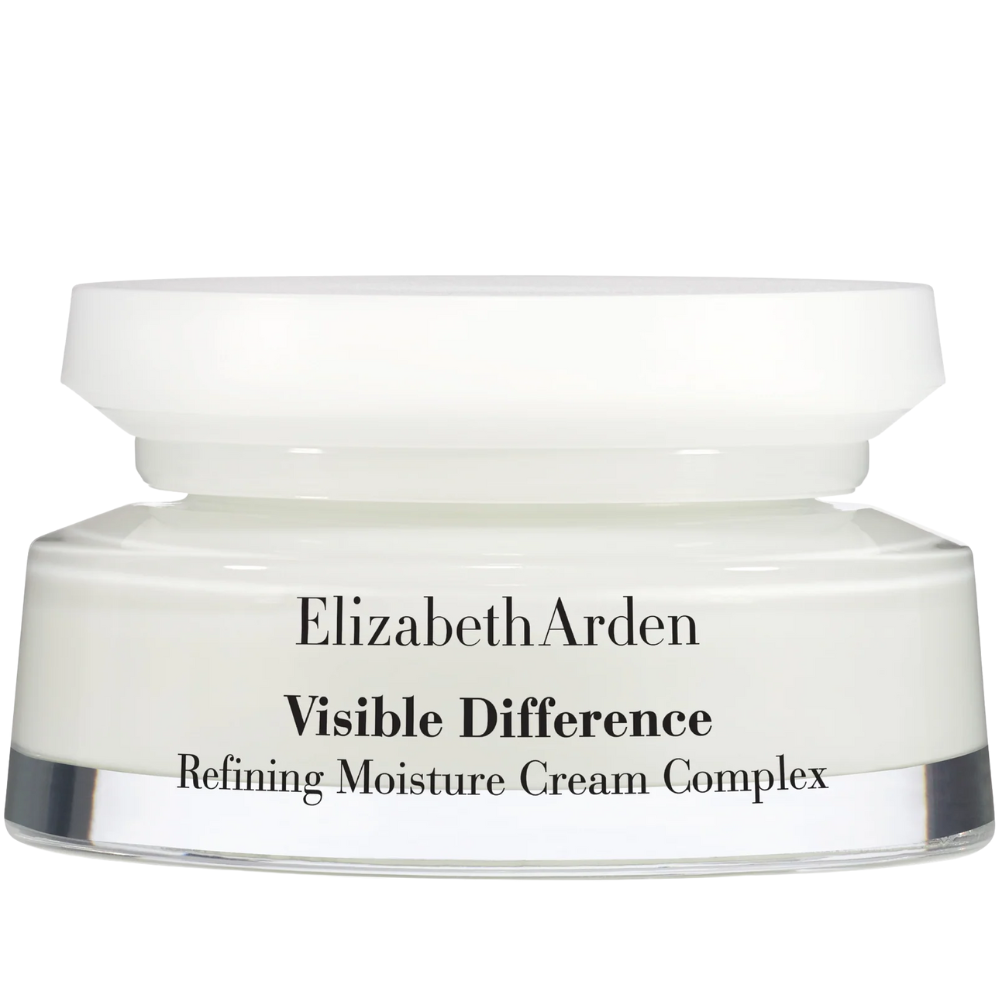
Elisabeth Arden Visible Difference Refining Complex MoisturizingHealth and Beauty Creams Elizabeth Arden Visible Difference Refining Complex Moisturizing This classic formula protects skin with moisture and provides an occlusive barrier to prevent moisture loss. Seeing is believing. Testing shows a significant reduction in the appearance of fine lines of dryness and a dramatic improvement in the appearance of the skin. Dermatologist, allergy and clinically tested. How to use: Apply daily to the face and throat, in the morning and/or at night.14,65 £*Shipping: 3,99 £Secure redirect to the provider
-
Elisabeth Arden Visible Difference Good Morning Retexturizing PrimerHealth and Beauty Face and Cheeks Elizabeth Arden Visible Difference Good Morning Retexturizing Primer Our retexturizing primer helps you show off your best face with a proven blend of boosting botanicals and vitamin A. Wake up your skin without weighing it down. Skin feels soft, smooth and fresh all day. and you will love the softness and naturalness of your makeup. How to use: Apply to clean face.14,73 £*Shipping: 3,99 £Secure redirect to the provider
-
Axis Spot The Difference Facial Blemish Treatment 15mLA skin-care product for oily or blemish-prone skin. Spot The Difference Blemish Treatment is expertly formulated for acne-prone, oily, and sensitive skin, providing effective relief from breakouts and blemishes. This light gel texture glides onto the skin, delivering hydration while restoring the skin barrier.14,79 £*Shipping: 4,07 £Secure redirect to the provider
-
What is the difference between low culture and high culture in history?
Low culture refers to the cultural activities and products that are considered to be more common, popular, and easily accessible to the general public. This can include things like popular music, television shows, and mass-produced literature. On the other hand, high culture refers to the cultural activities and products that are considered to be more refined, sophisticated, and often associated with the elite or educated classes. This can include things like classical music, fine art, and literature that is considered to be more intellectually challenging. The distinction between low and high culture has been a source of debate and has evolved over time, but it generally reflects the social and class divisions within a society. **
-
What is the difference between historical culture and memory culture?
Historical culture refers to the collective understanding and interpretation of historical events, traditions, and customs within a society. It encompasses the tangible and intangible aspects of a society's past, including artifacts, monuments, and rituals. Memory culture, on the other hand, focuses on the ways in which a society actively engages with and remembers its history. It involves the processes of commemoration, memorialization, and the transmission of historical knowledge through storytelling, education, and public discourse. While historical culture is the broader framework of a society's historical identity, memory culture is the active, dynamic practice of remembering and interpreting that history. **
-
What is the difference between red wine and white wine?
The main difference between red wine and white wine is the type of grape used to make them. Red wine is made from dark-colored grapes, where the grape skins are left in contact with the juice during fermentation, giving the wine its red color. White wine, on the other hand, is made from green or yellow grapes, and the grape skins are removed before fermentation, resulting in a lighter color. Additionally, red wines tend to be bolder and more complex in flavor, while white wines are often lighter and more refreshing. **
-
What is the difference between market exploration, market analysis, and market observation?
Market exploration involves actively seeking out new opportunities and potential markets, often through research and networking. Market analysis involves a more in-depth examination of specific market conditions, including trends, competition, and customer behavior. Market observation, on the other hand, involves simply watching and taking note of market activities and changes without actively seeking out new opportunities or conducting in-depth analysis. Overall, market exploration is about actively seeking new opportunities, market analysis is about understanding specific market conditions, and market observation is about passively watching market activities. **
Similar search terms for Difference
-
Elisabeth Arden Visible Difference Facial Replenishing Hydragel Complex 75mLA skin-care product. It a refreshing, oil-free water gel that provides 24-hour hydration while minimizing the appearance of pores. 24-hour hydration for all skin types. Minimizes the appearance of pores. Leaves skin feeling smooth and refreshed. Sodium Hyaluronate: Provides intense hydration. Mushroom Extract: Tightens pores and refines skin texture.27,51 £*Shipping: 5,16 £Secure redirect to the provider
-
Elisabeth Arden Visible Difference Facial Refining Moisture Cream Complex 75mLA skin-care product. It designed to deeply hydrate the skin while creating an occlusive barrier to prevent moisture loss. Intensely hydrates and nourishes the skin. Reduces the appearance of fine dryness lines. Creates a protective barrier against moisture loss. Suitable for all skin types. Squalane: Moisturizes and softens.36,68 £*Shipping: 5,16 £Secure redirect to the provider
-
Penguin Range, Never Split the Difference and Atomic Habits 3 Books SetRange In this landmark book, David Epstein shows you that the way to succeed is by sampling widely, gaining a breadth of experiences, taking detours, experimenting relentlessly, juggling many interests – in other words, by developing range. Studying the world's most successful athletes, artists, musicians, inventors and scientists, Epstein demonstrates why in most fields – especially those that are complex and unpredictable – generalists, not specialists are primed to excel. No matter what you do, where you are in life, whether you are a teacher, student, scientist, business analyst, parent, job hunter, retiree, you will see the world differently after you've read Range. You'll understand better how we solve problems, how we learn and how we succeed. You'll see why failing a test is the best way to learn and why frequent quitters end up with the most fulfilling careers. Never Split the Difference After a stint policing the rough streets of Kansas City, Missouri, Chris Voss joined the FBI, where his career as a kidnapping negotiator brought him face-to-face with bank robbers, gang leaders and terrorists. Never Split the Difference takes you inside his world of high-stakes negotiations, revealing the nine key principles that helped Voss and his colleagues succeed when it mattered the most - when people's lives were at stake. Rooted in the real-life experiences of an intelligence professional at the top of his game, Never Split the Difference will give you the competitive edge in any discussion. Atomic Habits Transform your life with tiny changes in behaviour, starting now. People think that when you want to change your life, you need to think big. But world-renowned habits expert James Clear has discovered another way. He knows that real change comes from the compound effect of hundreds of small decisions: doing two push-ups a day, waking up five minutes early, or holding a single short phone call. He calls them atomic habits. In this ground-breaking book, Clears reveals exactly how these minuscule changes can grow into such life-altering outcomes.14,99 £*Shipping: 2,99 £Secure redirect to the provider
-
What is the difference between market research and market exploration?
Market research involves collecting and analyzing data about a specific market, including customer preferences, buying habits, and competitor analysis. It is a more structured and focused approach to gathering information to make informed business decisions. On the other hand, market exploration is a broader and more open-ended process of discovering new opportunities, trends, and potential markets. It involves more creativity and innovation in identifying new possibilities for business growth. In summary, market research is about gathering specific data to answer defined questions, while market exploration is about exploring new ideas and opportunities in a less structured manner. **
-
What is the difference between factor market and goods market?
Factor market refers to the market where factors of production such as labor, capital, land, and entrepreneurship are bought and sold. On the other hand, the goods market is where finished goods and services are bought and sold. Factor market deals with the exchange of inputs used in the production process, while the goods market deals with the exchange of final products for consumption. In essence, factor market facilitates production, while the goods market facilitates consumption. **
-
What is the difference between market analysis and market research?
Market analysis involves examining market trends, customer behavior, and competitor activity to understand the overall market landscape and make strategic decisions. Market research, on the other hand, is a more focused approach that involves gathering specific data and insights on customer preferences, buying habits, and product demand. While market analysis provides a broader view of the market, market research delves deeper into specific aspects to inform tactical decisions. Both are essential for businesses to stay competitive and meet customer needs effectively. **
-
What is the difference between history and contemporary history?
History refers to the study of past events, people, and societies, typically focusing on events that occurred before the present time. It involves the analysis and interpretation of primary sources and the understanding of how past events have shaped the world we live in today. On the other hand, contemporary history focuses on the study of recent events, typically from the 20th century to the present day. It involves the analysis of current events and their impact on society, politics, and culture. While history looks at events that have already occurred, contemporary history examines ongoing and recent developments. **
* All prices are inclusive of VAT and, if applicable, plus shipping costs. The offer information is based on the details provided by the respective shop and is updated through automated processes. Real-time updates do not occur, so deviations can occur in individual cases. ** Note: Parts of this content were created by AI.