Buy schorndorf.eu ?
We are moving the project
schorndorf.eu .
Are you interested in purchasing the domain
schorndorf.eu ?
domain@kv-gmbh.de · 0541-91531010
Buy schorndorf.eu ?
Who invented lignite?
Lignite is a type of coal that was not invented by a single individual. It is a naturally occurring fossil fuel that has been formed over millions of years from the remains of plants and trees. Lignite is one of the lowest grades of coal and is typically found in sedimentary rock formations. Its formation is a natural geological process rather than an invention by any specific person. **
How is lignite used?
Lignite is primarily used as a fuel source for power generation in coal-fired power plants. It is burned to produce steam, which drives turbines to generate electricity. Lignite is also used in some industrial processes, such as in the production of synthetic fuels and chemicals. Additionally, it can be used as a soil conditioner in agriculture due to its high carbon content. **


Similar search terms for Lignite
Top-Angebote
Products related to Lignite:
-
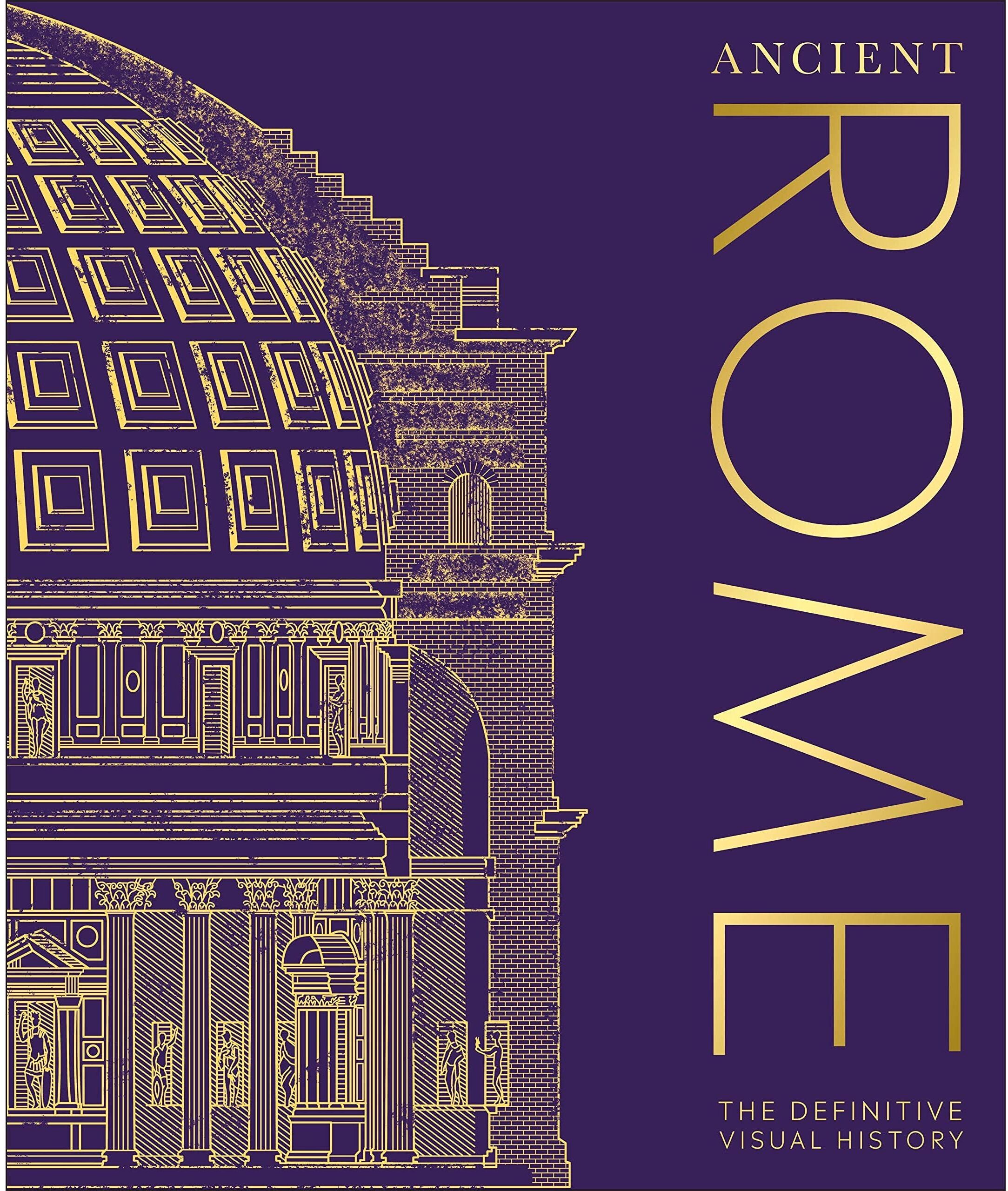
Ancient Rome: The Definitive Visual History (DK Classic History)Immerse yourself in the history of ancient Rome - from its origins as a small settlement on the Palatine Hill to its peak as an empire reigning over 90 million people, and its tumultuous decline. Covering more than 1,000 years of history, and an empire that stretched from Scotland to Syria, Ancient Rome reveals in vivid detail all of the key political, cultural, and military events that shaped the Roman Empire and explores what it was like to live in a society that laid the foundations for many aspects of the modern world. Sumptuous photography and engaging text cover every facet of life in ancient Rome, from art, entertainment, and fashion to engineering, medicine, and war, while detailed maps trace the rise of the mighty Roman Empire. Step back in time in the pages of this history book to discover:- Themed spreads explore developments in areas such as sculpture, religion, warfare, and engineering. - Includes tales of the most dramatic events and battles in Roman history, as well as profiles of influential historical and cultural figures. - An optional 80pp reference section includes sections on rulers, gods and goddesses, and key sites. Featuring Rome's greatest emperors, from Augustus to Constantine, as well as profiles of generals, historians, and influential women, Ancient Rome also delves into the fascinating stories of gladiators, bakers, and enslaved people. The most iconic buildings of Rome are brought to life with specially commissioned CGI recreations, while the stories of ordinary citizens, soldiers, and persecuted groups from across the empire are told with the help of illustrations, artefacts, and eyewitness accounts. Beautifully illustrated and unparalleled in scope, Ancient Rome is the perfect book for anyone who is interested in this defining period of world history.19,95 £*Shipping: 2,99 £Secure redirect to the provider
-
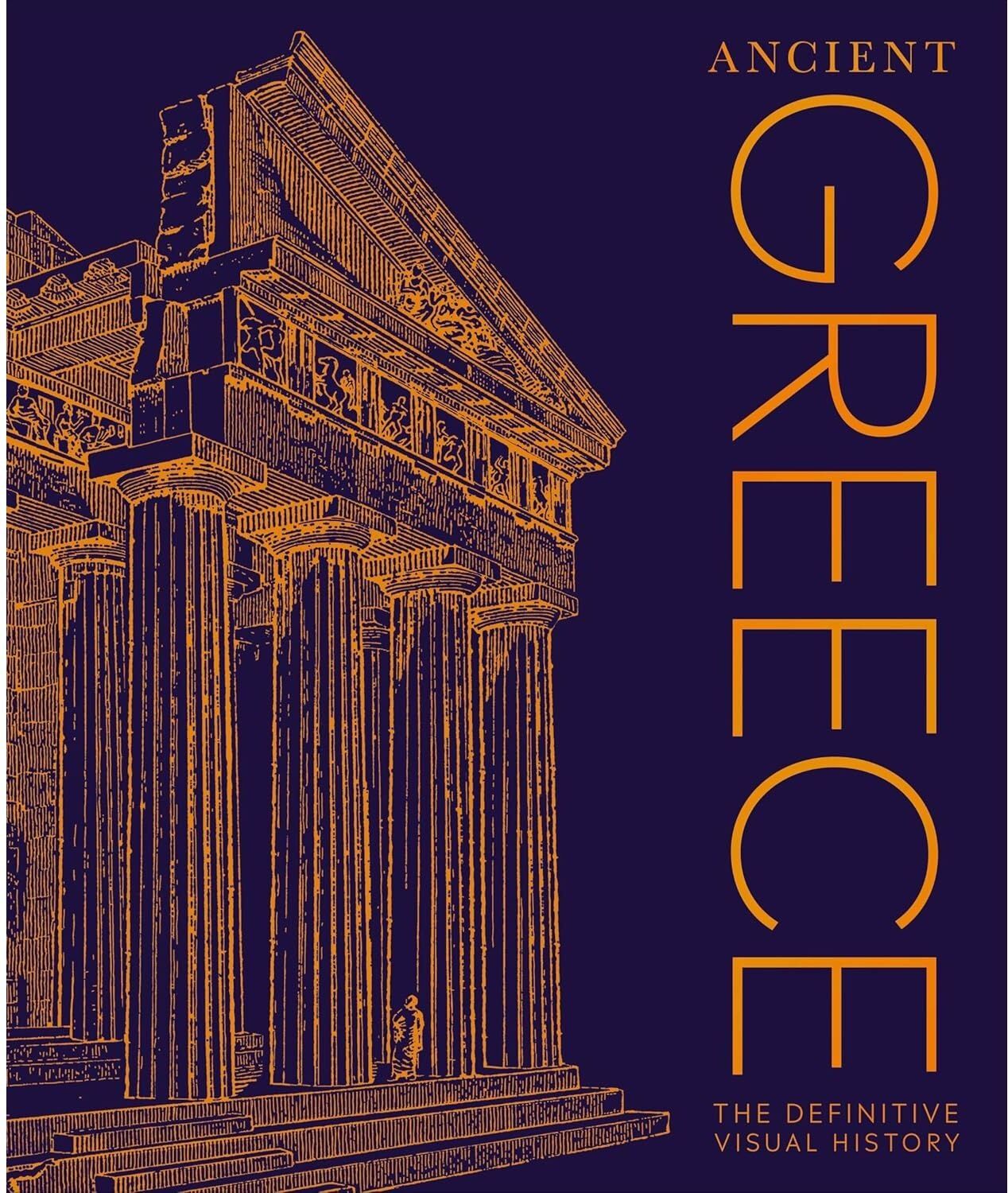
Ancient Greece: The Definitive Visual History (DK Classic History)Embark upon a fascinating journey through ancient Greece – from its rise and fall to its lasting legacy throughout the Western world. Spanning more than 3,000 years, Ancient Greece explores the tumultuous history of this glorious empire in vivid detail – from its Minoan and Mycenaean origins to the apogee of the warring city-states of Athens and Sparta, and from the death of its most charismatic leader, Alexander the Great, to its ultimate defeat by Rome. Sumptuous photography and authoritative, engaging text cover every facet of life in ancient Greece, from art, entertainment, and schools of thought to politics, medicine, and war, while the myths and religious beliefs of the ancient culture are explored and explained in depth. Greece’s military and political power shines through in fascinating maps of its legendary battles. Buried palaces and the Athenian Agora where Plato and Socrates discussed philosophy are brought back to life with stunning CGI artworks. And the stories of everyone from ordinary citizens to lawmakers and the first Olympic athletes are retold through eyewitness accounts and original artefacts.19,99 £*Shipping: 2,99 £Secure redirect to the provider
-
Kidicraft Corgi Cromwell IV 1000 Piece Military History Jigsaw Puzzle - Military HistoryImmerse yourself in military history with the Kidicraft Corgi Cromwell IV 1000 piece jigsaw puzzle. This puzzle pays tribute to the legendary Cromwell IV tank, a symbol of British military engineering and valor during World War II. Each piece captures the essence of the Cromwell IV tank, featuring its distinctive design, markings, and the spirit of wartime courage. With 1000 pieces to assemble, this puzzle offers a challenge for both beginners and experienced puzzlers. The Cromwell IV puzzle is an opportunity to appreciate the historical importance of this remarkable armored vehicle.9,60 £*Shipping: 3,95 £Secure redirect to the provider


-
How does lignite work?
Lignite is a type of coal that is formed from compressed peat. When lignite is burned, it releases energy in the form of heat. This heat can be used to generate electricity in power plants. Lignite is a relatively low-cost and abundant source of energy, making it a popular choice for power generation in some regions. However, lignite is also one of the most polluting forms of coal, releasing high levels of carbon dioxide and other pollutants when burned. **
-
What are lignite seams?
Lignite seams are layers of lignite, a type of coal that is low in carbon content and high in moisture. These seams are formed from the accumulation of organic material in swampy environments over millions of years. Lignite seams are typically found in sedimentary rock formations and are mined for use as a source of energy in power plants and for industrial processes. Due to its low energy content and high moisture content, lignite is considered to be the lowest quality coal. **
-
What is lignite used for?
Lignite is primarily used as a fuel source for power generation in coal-fired power plants. It is also used in the production of synthetic natural gas and as a source of heat in some industrial processes. Additionally, lignite can be processed into briquettes or pellets for use in residential heating and cooking. **
-
Why is lignite so harmful?
Lignite is harmful because it is a low-grade coal with high moisture and ash content, which makes it less efficient and more polluting when burned for energy. When lignite is combusted, it releases high levels of carbon dioxide, sulfur dioxide, nitrogen oxides, and other harmful pollutants into the atmosphere, contributing to air pollution and climate change. Additionally, lignite mining can have detrimental environmental impacts, such as habitat destruction, water pollution, and land degradation. Overall, lignite is considered one of the most environmentally damaging fossil fuels. **


Where does lignite come from?
Lignite is a type of coal that is formed from compressed peat over millions of years. It is considered the lowest rank of coal due to its relatively low carbon content and energy density. Lignite deposits are typically found in sedimentary basins and are mined for use in power generation and as a fuel source. **
What is done with lignite?
Lignite is primarily used as a fuel for power generation in coal-fired power plants. It is burned to produce steam, which drives turbines to generate electricity. Lignite is also used in the production of synthetic natural gas and as a source of heat in various industrial processes. Additionally, lignite can be converted into liquid fuels such as diesel through a process called coal liquefaction. **
Top-Angebote
Products related to Lignite:
-
From the Archives: Black History and Culture Value PackThis brand-new series is rooted in a profound commitment to shedding light on some of the important -- and often lesser-known -- aspects of Black history. From the Archives features landmarks, events, people, and artistic endeavors that have played...27,99 $*Shipping: 0,00 $Secure redirect to the provider
-
Orion The Book of Humans by Adam Rutherford – A Brief History of Culture, Sex, War & EvolutionWHAT MAKES US HUMAN? Waging war? Sex for pleasure? Creating art? Mastery of fire? In this thrilling tour of the animal kingdom, Adam Rutherford tells the story of how we became the unique creatures we are today. Illuminated by the latest scientific discoveries, THE BOOK OF HUMANS is a dazzling compendium of what unequivocally fixes us as animals, and reveals how we are extraordinary among them.4,98 £*Shipping: 1,99 £Secure redirect to the provider
-
Ancient Rome: The Definitive Visual History (DK Classic History)Immerse yourself in the history of ancient Rome - from its origins as a small settlement on the Palatine Hill to its peak as an empire reigning over 90 million people, and its tumultuous decline. Covering more than 1,000 years of history, and an empire that stretched from Scotland to Syria, Ancient Rome reveals in vivid detail all of the key political, cultural, and military events that shaped the Roman Empire and explores what it was like to live in a society that laid the foundations for many aspects of the modern world. Sumptuous photography and engaging text cover every facet of life in ancient Rome, from art, entertainment, and fashion to engineering, medicine, and war, while detailed maps trace the rise of the mighty Roman Empire. Step back in time in the pages of this history book to discover:- Themed spreads explore developments in areas such as sculpture, religion, warfare, and engineering. - Includes tales of the most dramatic events and battles in Roman history, as well as profiles of influential historical and cultural figures. - An optional 80pp reference section includes sections on rulers, gods and goddesses, and key sites. Featuring Rome's greatest emperors, from Augustus to Constantine, as well as profiles of generals, historians, and influential women, Ancient Rome also delves into the fascinating stories of gladiators, bakers, and enslaved people. The most iconic buildings of Rome are brought to life with specially commissioned CGI recreations, while the stories of ordinary citizens, soldiers, and persecuted groups from across the empire are told with the help of illustrations, artefacts, and eyewitness accounts. Beautifully illustrated and unparalleled in scope, Ancient Rome is the perfect book for anyone who is interested in this defining period of world history.19,95 £*Shipping: 2,99 £Secure redirect to the provider
-
Ancient Greece: The Definitive Visual History (DK Classic History)Embark upon a fascinating journey through ancient Greece – from its rise and fall to its lasting legacy throughout the Western world. Spanning more than 3,000 years, Ancient Greece explores the tumultuous history of this glorious empire in vivid detail – from its Minoan and Mycenaean origins to the apogee of the warring city-states of Athens and Sparta, and from the death of its most charismatic leader, Alexander the Great, to its ultimate defeat by Rome. Sumptuous photography and authoritative, engaging text cover every facet of life in ancient Greece, from art, entertainment, and schools of thought to politics, medicine, and war, while the myths and religious beliefs of the ancient culture are explored and explained in depth. Greece’s military and political power shines through in fascinating maps of its legendary battles. Buried palaces and the Athenian Agora where Plato and Socrates discussed philosophy are brought back to life with stunning CGI artworks. And the stories of everyone from ordinary citizens to lawmakers and the first Olympic athletes are retold through eyewitness accounts and original artefacts.19,99 £*Shipping: 2,99 £Secure redirect to the provider
-
Who invented lignite?
Lignite is a type of coal that was not invented by a single individual. It is a naturally occurring fossil fuel that has been formed over millions of years from the remains of plants and trees. Lignite is one of the lowest grades of coal and is typically found in sedimentary rock formations. Its formation is a natural geological process rather than an invention by any specific person. **
-
How is lignite used?
Lignite is primarily used as a fuel source for power generation in coal-fired power plants. It is burned to produce steam, which drives turbines to generate electricity. Lignite is also used in some industrial processes, such as in the production of synthetic fuels and chemicals. Additionally, it can be used as a soil conditioner in agriculture due to its high carbon content. **
-
How does lignite work?
Lignite is a type of coal that is formed from compressed peat. When lignite is burned, it releases energy in the form of heat. This heat can be used to generate electricity in power plants. Lignite is a relatively low-cost and abundant source of energy, making it a popular choice for power generation in some regions. However, lignite is also one of the most polluting forms of coal, releasing high levels of carbon dioxide and other pollutants when burned. **
-
What are lignite seams?
Lignite seams are layers of lignite, a type of coal that is low in carbon content and high in moisture. These seams are formed from the accumulation of organic material in swampy environments over millions of years. Lignite seams are typically found in sedimentary rock formations and are mined for use as a source of energy in power plants and for industrial processes. Due to its low energy content and high moisture content, lignite is considered to be the lowest quality coal. **
Similar search terms for Lignite
-
Kidicraft Corgi Cromwell IV 1000 Piece Military History Jigsaw Puzzle - Military HistoryImmerse yourself in military history with the Kidicraft Corgi Cromwell IV 1000 piece jigsaw puzzle. This puzzle pays tribute to the legendary Cromwell IV tank, a symbol of British military engineering and valor during World War II. Each piece captures the essence of the Cromwell IV tank, featuring its distinctive design, markings, and the spirit of wartime courage. With 1000 pieces to assemble, this puzzle offers a challenge for both beginners and experienced puzzlers. The Cromwell IV puzzle is an opportunity to appreciate the historical importance of this remarkable armored vehicle.9,60 £*Shipping: 3,95 £Secure redirect to the provider
-
What is lignite used for?
Lignite is primarily used as a fuel source for power generation in coal-fired power plants. It is also used in the production of synthetic natural gas and as a source of heat in some industrial processes. Additionally, lignite can be processed into briquettes or pellets for use in residential heating and cooking. **
-
Why is lignite so harmful?
Lignite is harmful because it is a low-grade coal with high moisture and ash content, which makes it less efficient and more polluting when burned for energy. When lignite is combusted, it releases high levels of carbon dioxide, sulfur dioxide, nitrogen oxides, and other harmful pollutants into the atmosphere, contributing to air pollution and climate change. Additionally, lignite mining can have detrimental environmental impacts, such as habitat destruction, water pollution, and land degradation. Overall, lignite is considered one of the most environmentally damaging fossil fuels. **
-
Where does lignite come from?
Lignite is a type of coal that is formed from compressed peat over millions of years. It is considered the lowest rank of coal due to its relatively low carbon content and energy density. Lignite deposits are typically found in sedimentary basins and are mined for use in power generation and as a fuel source. **
-
What is done with lignite?
Lignite is primarily used as a fuel for power generation in coal-fired power plants. It is burned to produce steam, which drives turbines to generate electricity. Lignite is also used in the production of synthetic natural gas and as a source of heat in various industrial processes. Additionally, lignite can be converted into liquid fuels such as diesel through a process called coal liquefaction. **
* All prices are inclusive of VAT and, if applicable, plus shipping costs. The offer information is based on the details provided by the respective shop and is updated through automated processes. Real-time updates do not occur, so deviations can occur in individual cases. ** Note: Parts of this content were created by AI.